✈️ Travel Desk
Mukutmanipur & Bankura Weekend Tour: Dam, Hills & Terracotta
Complete guide to a Bankura weekend — Mukutmanipur dam, Jaychandi hill and the terracotta temples of Bishnupur, with routes, day-by-day plans and cost breakdowns.
Mukutmanipur–Jaychandi–Bishnupur: In the Land of Bankura’s Red Stone
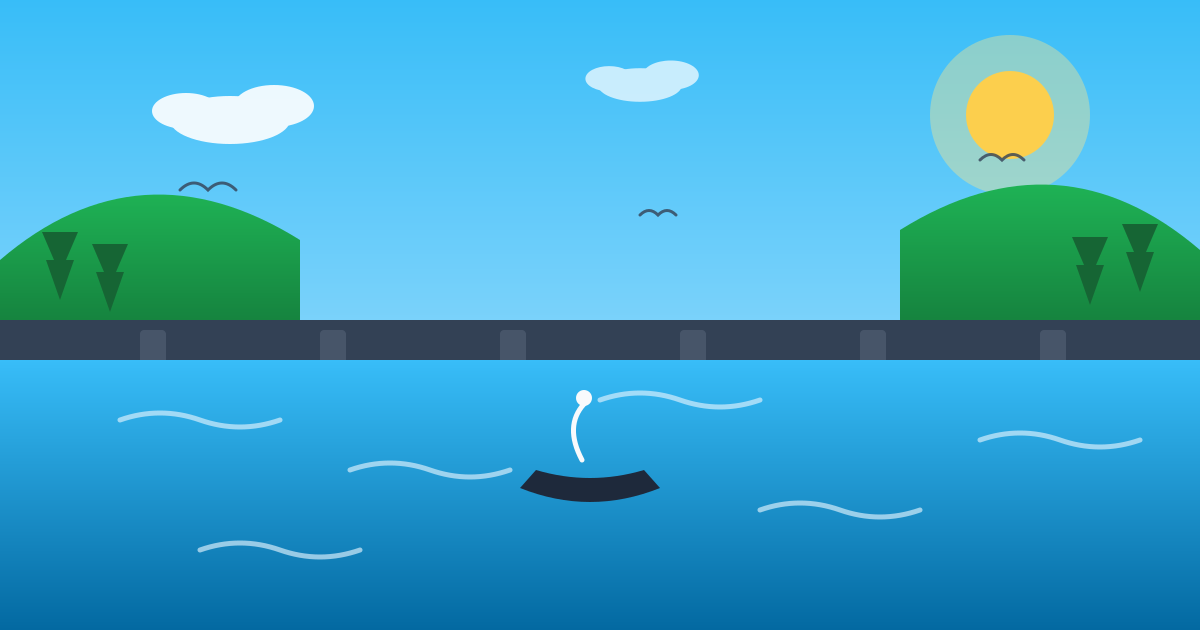
Just 250 km from Kolkata — the vast earthen dam on the Kangsabati, the rock-scrambling Jaychandi hill and the terracotta town of Bishnupur. Three different experiences in one weekend — water, hills and heritage — and all at very low cost. The Kangsabati-Kumari confluence dam at Mukutmanipur is one of India’s longest earthen dams: built across the meeting of two rivers, this reservoir is dotted with small islets — exposed at low water, submerged when full. Passing between these islets by boat at sunset is the most beautiful moment of a Bankura trip.
How to Reach
- Train + car: Howrah → Bankura (options include the Rupnarayan Express and Aranyak Express; 3.5–4.5 hours, ₹100–₹600). From Bankura, a hired car/bus to Mukutmanipur (55 km, 1.5 hours).
- By car: Kolkata → Durgapur Expressway → Bankura → Mukutmanipur — about 250 km, 5–5.5 hours; roads are good in the dry season.
- By bus: Buses to Bankura from Esplanade, then a local bus/shared car.
- Local transport: For the Mukutmanipur-Jaychandi-Ambikanagar circuit, a two-day car hire (₹2,800–₹3,800) is most convenient; it works out cheap split across a group of 4–6.
Best Time to Visit
October–February is ideal — mist over the dam on winter dawns, gentle midday sun and cool evenings. At the end of the monsoon (September-October) the Jaychandi falls still carry water and the dam reservoir is full — both are beautiful. In summer (April-June) the midday heat is severe; plan for dawn and evening.
Day-by-Day Plan (2 Days)
Day 1 — The land of the dam: Leave Kolkata in the morning, reach Mukutmanipur by noon and eat at the hotel. In the afternoon, the dam embankment — a walk along the main dam road, a climb up a nearby islet for a panorama of the reservoir, then boating from the designated ghat (₹400–800, shared). Watch the sunset from the dam’s western end — red light spreads across the water. At night, food, songs and conversation at the homestay/lodge.
Day 2 — Hills and islets: At dawn, Jaychandi hill (28 km from Mukutmanipur) — stairway paths between the rocks, sal-piyal forest, a perennial waterfall (more water at the end of the monsoon); views of the surrounding hills and fields from the summit. On the way back, Ambikanagar’s morning ghat and the ruined structure on the islet called Moushi-Mamar Bari (Aunt-Uncle’s House). After lunch, head for Bishnupur (60 km from Mukutmanipur) — an afternoon tour of the terracotta temples and the Baluchari shops; back to Kolkata by car/train in the evening.
If you have more time, add Susunia hill on a third day (37 km from Bankura) — steep walls of red rock and stone slabs carved with Stone Age markings.

Places to See
- Kangsabati-Kumari confluence dam: A 10.7 km long earthen dam; walking the embankment and the water’s patterns seen from an islet — the heart of Mukutmanipur.
- Nearby islets and boating point: Circle the islets by boat from the main ghat; at low water you can also walk up to them (following safety instructions).
- Jaychandi hill: Rocky trails, cave-like open rock layers, waterfalls; local guides ₹200–300.
- Ambikanagar: Ghats on the Kumari river, ruins of an old rajbari; a photography spot in the morning light.
- Bishnupur’s temples: Built by the Malla kings — the Rasmancha (a brick pyramidal roof, Bengal’s most unique), Jorbangla (a roof of two joined do-chala halves), Shyamrai (pancharatna), Madanmohan (ekaratna, the finest terracotta carvings).
- Bishnupur’s crafts: Baluchari and Swarnachari sarees, dokra metalwork, stone vessels, Jhapan brass work and bamboo flutes.
Where to Stay and Eat
- Mukutmanipur: The WBTDC Project Lodge (right beside the dam, ₹1,200–2,200) or private hotels/homestays with dam views (₹900–2,500). Don’t go on winter Fridays-Saturdays without a booking.
- Bishnupur/Bankura town: Cheap hotels available (₹700–1,500) if you need to spend the night on the way back.
- Food: The homestay food at Mukutmanipur is good — rice, dal, fried potatoes, chicken/desi fish, and khesari dal vadas. In Bishnupur, try mung dal payesh, chhana papdi and pantua — a town famed for sweets. Vegetarian options are easily available everywhere.
Cost Breakdown (2 Days, Per Person, Excluding Transport)
| Item | Budget | Comfortable |
|---|---|---|
| Stay (2 sharing, 1 night) | ₹900–1,400 | ₹2,000–3,000 |
| Food (2 days) | ₹600 | ₹1,100 |
| Car hire (split in group, two days) | ₹1,400–1,900 | ₹3,500 (private) |
| Boating + guide + tickets | ₹400 | ₹600 |
| Total | ≈ ₹2,000–2,500 | ≈ ₹5,000+ |
Tips and Precautions
- Do not swim at the dam embankment — submerged trees and posts under the water are dangerous; boat only from approved ghats.
- On the Jaychandi trail, carry shoes with good grip and a water bottle; the rocks get extremely hot at midday.
- ATMs are limited in Mukutmanipur and network is moderate — carry cash.
- Bishnupur’s temples are under the archaeology department — touching or scratching the walls is strictly prohibited.
- In winter, dawn and night temperatures fall to 8–10°C; the wind over the dam makes it feel colder — bring a jacket.
- Book the return night train in advance; if returning by car, factor in national highway toll and time. Emergency: 112.
🪜 Step-by-step guide
- Book your transport
Kolkata → Bankura train (Rupnarayan/Manik Express) → hired car to Mukutmanipur (55 km); or a direct car, ~250 km.
- Day 1 — Mukutmanipur
The Kangsabati-Kumari confluence dam (India's second-longest earthen dam), sunset on the dam embankment and boating.
- Day 2 — Jaychandi and Ambikanagar
At dawn, the rock-forest-waterfall trail of Jaychandi hill on foot; in the afternoon, see the Bhor ring at Ambikanagar.
- Bishnupur on the way back
The terracotta town — Madanmohan, Jorbangla and Rasmancha temples, a Baluchari saree boutique; back to Kolkata by evening.
- Booking tips
Book the WBTDC Mukutmanipur Project Lodge or a homestay beside the dam in advance — rooms sell out on winter weekends.
7-Day Forecast
Live forecast at your destination — check before you plan
Could not load weather data — check your connection and retry.
Source: Open-Meteo · refreshed every 15 min
❓ Frequently asked questions
What is the easiest route to Mukutmanipur?
By your own car from Kolkata via Bankura (~5.5 hours) is easiest. By train, up to Bankura station, then 1.5 hours in a hired car.
Is the Jaychandi hill walk difficult?
Moderate — a 2–3 km trail along the rocks; it is safe with a local guide. The waterfalls are most beautiful at the end of the monsoon.
What should I see in Bishnupur?
The Madanmohan temple, Jorbangla temple, Rasmancha, Shyamrai temple and the Malla handicraft market; buy Baluchari sarees directly from the weavers.
Can you go boating at Mukutmanipur?
Yes — from designated ghats on the dam, approved boats take you around the islets rising from the water; follow the tide and safety instructions.